Listeria Monocytogenes

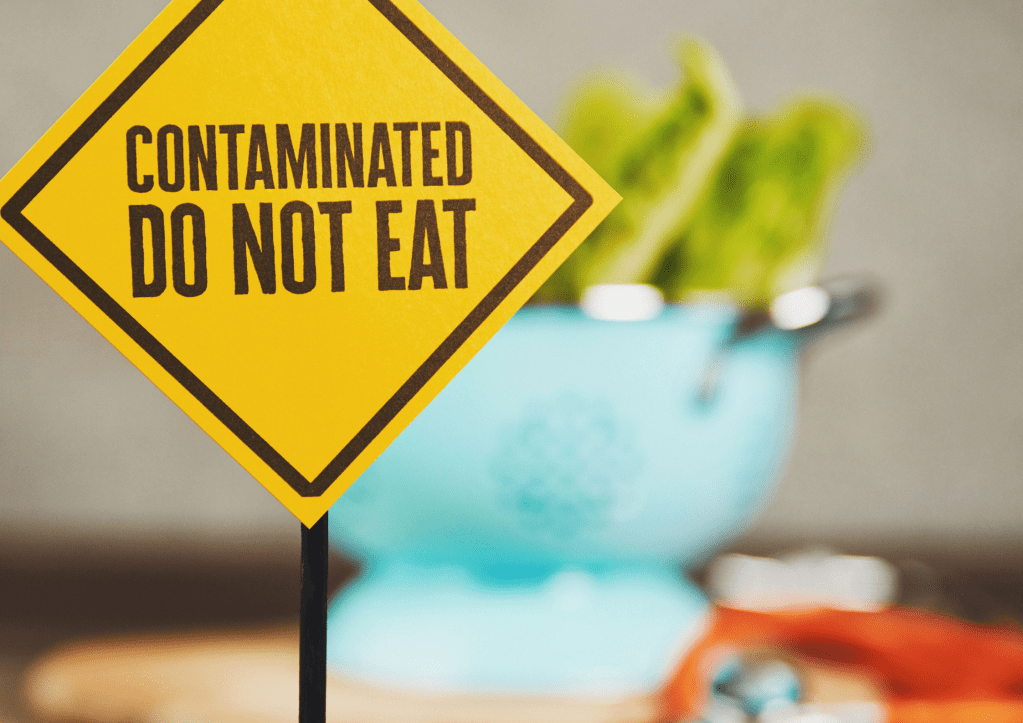
Listeria monocytogenes continues to be a serious public health threat, particularly in the food industry, where it has been responsible for numerous deaths and hospitalizations. The World Health Organization (WHO) estimates that globally, foodborne Listeriosis affects around 23,000 people annually. Out of these cases, there are approximately 5,500 deaths each year, giving Listeriosis one of the highest mortality rates among foodborne pathogens at around 20–30%.

There have been multiple large-scale recalls due to Listeria contamination. In one of the most recent cases, Boar’s Head issued a recall of more than 5 million pounds of product. This resulted in 10 deaths and over 50 hospitalizations across the USA. Even more alarming, over 9 million pounds of ready-to-eat meat were recalled this week alone, also linked to Listeria contamination, reflecting the gravity and frequency of the problem.

In recent years, the number of recalls related to Listeria has surged, with many incidents affecting various sectors of the food industry, from fresh produce and dairy to processed and ready-to-eat meats. This has sparked ongoing concerns about whether businesses are effectively controlling Listeria contamination, or whether this pathogen is becoming more resistant to traditional cleaning and control methods.

Listeria’s ability to thrive in harsh conditions—such as cold storage and high-salt environments—and form biofilms on surfaces makes it particularly hard to eliminate. These characteristics contribute to its persistence in food processing facilities and increase the likelihood of contamination. As a result, the food industry must continuously evaluate whether their cleaning practices are sufficient or if Listeria is evolving in ways that render current control methods less effective.

This leads to critical questions about the efficacy of cleaning and sanitation practices and whether certain strains of Listeria may be developing antimicrobial resistance, posing new challenges for food safety management.

What Needs to Be Done to Prevent Future Outbreaks?

We need Stronger Preventive Controls. Food companies, especially those handling high-risk products like deli meats, need to strengthen their Cleaning, Sanitation and Hygiene procedures. Focusing on Deep Cleaning in High-Risk Areas including drains, cold storage units, and food contact surfaces. Listeria often thrives in moist environments like floors and drains, which are frequently overlooked. Ensure all surfaces, equipment, and utensils are cleaned and sanitized frequently, especially those that come into contact with food. Pay special attention to hard-to-reach areas, such as cracks and crevices, where Listeria can hide and form biofilms. Effective Sanitizers are important especially those disinfectants that are proven to be effective against Listeria, such as chlorine-based sanitizers, quaternary ammonium compounds, or peracetic acid. Ensure that concentrations and contact times follow manufacturer guidelines for maximum effectiveness. Enforce strict employee hygiene practices, such as mandatory handwashing, regular changes of protective clothing, and using footbaths or sanitizing mats to prevent contamination from entering the plant.

Enhanced Environmental Monitoring Programs (EMP’s) where Routine Swabbing and Testing are conducted in high-risk areas like food contact surfaces, drains, and equipment. Testing should target Listeria specifically. Additionally, large scale food businesses should be utilizing Advanced detection technologies like Rapid DNA-based testing, which can provide results in 2-24 hours, allowing for faster decision-making.

We need businesses to be Transparent and Issue Timely Recalls. When contamination is detected, companies must act swiftly and transparently. The recall process should be immediate and widespread to ensure consumers are promptly informed and the products are removed from shelves.

We need enhanced Food Safety Culture, food producers need to foster a culture of food safety and responsibility. This includes training employees at all levels on the importance of sanitation, proper equipment handling, and recognizing potential contamination risks.

We need efficient and effective Regulatory Oversight, Government agencies can do better and must ensure regular and unannounced inspections to verify that companies are adhering to HACCP plans, Food Safety Modernization Act (FSMA) regulations, and other safety protocols. Authorities should also make the findings from inspections public to encourage accountability and transparency in the food production industry.

We need Regular Third-Party Audits, outside of government oversight food businesses should have regular third-party audits to provide independent and objective evaluations. Unbiased, Objective Evaluations provide Transparency. An independent audit can identify weaknesses or areas that require improvement without bias, helping the business remain transparent in its food safety operations. This is crucial for maintaining trust with customers, regulators, and stakeholders. Third-party auditors are external, independent organizations with no vested interest in the business, ensuring that their assessments are objective and impartial. They are solely focused on assessing the effectiveness of the food safety controls, particularly when it comes to managing Listeria risks.
    The tragic loss of life and the severe illnesses caused by this outbreak are unacceptable, and more must be done to protect consumers. No one should have to fear that the food they purchase will lead to a life-threatening illness. Effective control measures, rigorous testing, and prompt action when contamination is detected are critical in ensuring that foodborne pathogens like Listeria do not reach consumers.

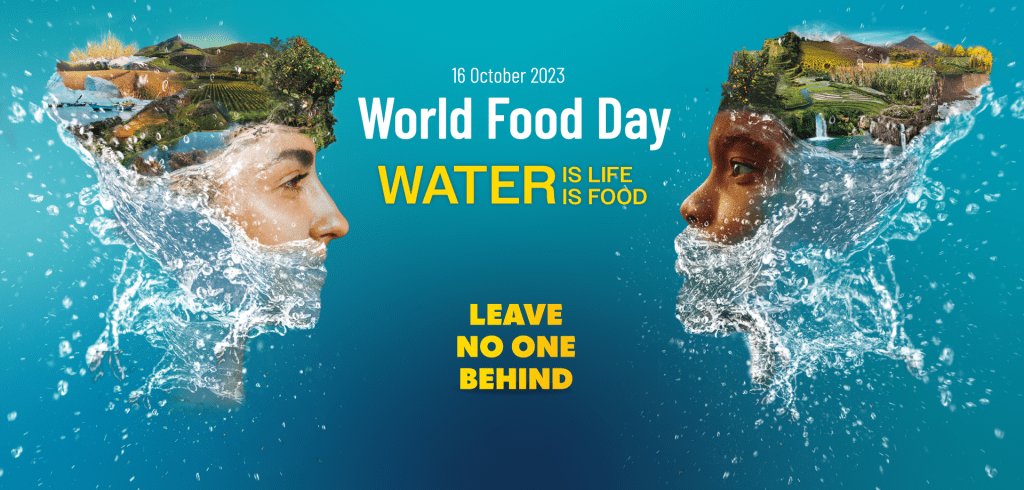
    Reflecting on World Food Day 2023

    This post is a little overdue but life happens… let’s explore this year’s theme “Water is Life, Water is Food Leave No One Behind”.

    It is a fact that Millions go to bed hungry every night, they do no have access to food and they do not have access to water or that water source is not clean or potable. Many are from African countries but many more around the world especially those who live in extreme poverty experience this. World Food Day, is an annual reminder of the need to combat hunger and malnutrition while promoting sustainable agriculture. This year’s theme highlights the pivotal role of water in food security and the pressing need to ensure equitable access to this life-sustaining resource.

    Let’s Dive Right into The Persistent Problem – Global Hunger

    Despite the considerable progress in various aspects of human development, global hunger remains a stark reality. According to the United Nations’ latest estimates, nearly 9% of the world’s population—approximately 690 million people—go to bed hungry every night. This harrowing statistic is exacerbated by numerous factors, including conflict, climate change, economic disparities, and inequalities in access to resources, particularly water.

    Water, the Essence of Life

    Water is often referred to as the “essence of life,” and for good reason. It’s one of the most fundamental elements for sustaining all living organisms, and without it, life as we know it would cease to exist. When it comes to agriculture, water assumes an even more critical role.

    Agriculture is the largest consumer of fresh water worldwide, accounting for approximately 70% of all withdrawals. As the global population continues to expand, the demand for food and water intensifies. Agriculture not only relies on substantial amounts of water for irrigation but also requires it for the growth and sustenance of crops and livestock.

    While water is essential for food production, there exists a stark disparity in access to this resource. Many regions around the world, particularly in Sub-Saharan Africa and parts of Asia, face water scarcity and inadequate infrastructure for water management. In these areas, communities struggle to secure sufficient water for their daily needs, let alone for irrigation or livestock.

    The challenges of water scarcity are further compounded by climate change, which is leading to more frequent and severe droughts, altering precipitation patterns, and making water resources increasingly unpredictable. In such conditions, food security becomes increasingly fragile, and vulnerable populations face heightened risks of hunger and malnutrition.

    The Role of Sustainable Agriculture in Water and Food Security

    Sustainable agriculture practices play a vital role in addressing the complex issues of water and food security. These practices are designed to maximize food production while minimizing the environmental impact and resource consumption. They include techniques such as drip irrigation, crop rotation, organic farming, and agroforestry, which can help conserve water, reduce the use of chemicals, and enhance soil health.

    Sustainable agriculture is not just about producing food; it is about producing food in a way that ensures the long-term health of our planet and its inhabitants. It promotes the responsible use of water resources and encourages the preservation of ecosystems that are critical for water supply, such as forests and wetlands.

    Innovations in Water-Efficient Agriculture

    In the quest to secure food for a growing global population while minimizing water use, innovative agricultural practices and technologies are emerging as powerful tools. These innovations not only reduce the water footprint of agriculture but also enhance crop yields and overall food security. Some of the notable innovations include:

    1. Drip Irrigation: Drip irrigation systems deliver water directly to the root zones of plants, minimizing wastage and optimizing water use.
    2. Precision Agriculture: Using data and technology, precision agriculture helps farmers make informed decisions about planting, irrigation, and harvesting, improving resource efficiency.
    3. Desalination: In water-scarce regions, desalination technologies are being used to turn seawater into fresh water for agriculture.
    4. Rainwater Harvesting: Collecting rainwater for agricultural use is a traditional practice that is being revived and modernized to augment water resources in arid regions.
    5. Climate-Resilient Crops: Scientists are developing crop varieties that can thrive in challenging environmental conditions, including drought-resistant and flood-tolerant crops.

    The Caribbean and the Importance of Water in Agriculture

    As always this blog seeks to shed light on the experiences in the The Caribbean region. Our unique climate and geographical features show the intricate relationship between water and food. The Caribbean, is often associated with tourism. However, agriculture remains a crucial economic sector in many Caribbean countries, and it is deeply intertwined with the availability and management of water resources.

    1. Irrigation: Many Caribbean islands experience irregular rainfall patterns. This makes irrigation essential for crop cultivation. Proper water management ensures that crops receive the necessary moisture, mitigating the risks associated with prolonged droughts or erratic rainfall.
    2. Crop Diversity: The Caribbean’s tropical climate allows for diverse crops to flourish, from staples like rice, yams, and sweet potatoes to tropical fruits like bananas, mangoes, and papayas. All these crops require a reliable water supply for optimal growth and yield.
    3. Water Scarcity Challenges: Several Caribbean countries grapple with water scarcity, aggravated by factors such as climate change and increased competition for water resources. Sustainable water management practices are crucial to ensuring a consistent food supply. Water scarcity in the Caribbean is not uniform and varies from one island to another. The challenges in ensuring access to this precious resource are often amplified by the following factors:
      • Climate Change: Rising sea levels and increased hurricane intensity, both linked to climate change, pose threats to freshwater sources in low-lying coastal areas.
      • Limited Freshwater Sources: Many Caribbean islands rely heavily on limited freshwater sources, which are vulnerable to contamination and over-extraction.
      • Inadequate Infrastructure: Insufficient infrastructure and outdated water distribution systems hinder efficient water use.
      • Competition for Resources: The competition for water resources between agriculture, tourism, and domestic use can lead to conflicts and inequitable access.

    The Way Forward: Water, Food, and Sustainability

    As we observe World Food Day 2023 and contemplate the theme “Water is Life, Water is Food – Leave No One Behind,” it is evident that water’s role in food security is indubitable. To combat hunger and ensure food security, especially in regions like Africa and the Caribbean, we must:

    1. Prioritize Sustainable Agriculture: Encourage sustainable farming practices that maximize water use efficiency and minimize environmental impact.
    2. Invest in Water Infrastructure: Upgrade and expand water infrastructure to ensure reliable access to water for both agriculture and households.
    3. Foster Education and Awareness: Promote education on water conservation and responsible water management practices among farmers, communities, and decision-makers.
    4. Embrace Technological Innovation: Harness technological advancements to improve water use in agriculture, such as precision agriculture and smart irrigation systems.
    5. **Advocate for Equitable Water

    References

    https://www.wfp.org/stories/hunger-hotspots-4-countries-face-famine-un-report-warns

    https://www.actionagainsthunger.org/the-hunger-crisis/world-hunger-facts/the-worlds-hungriest-countries/

    https://www.un.org/africarenewal/magazine/november-2022/horn-africa-extreme-drought-deepens-hunger-region-facing-conflict

    https://www.carpha.org/More/Media/Articles/ArticleID/789/World-Food-Day-2023-Water-is-life-water-is-food-Leave-no-one-behind

    https://www.fao.org/3/cc7194en/cc7194en.pdf: Reflecting on World Food Day 2023

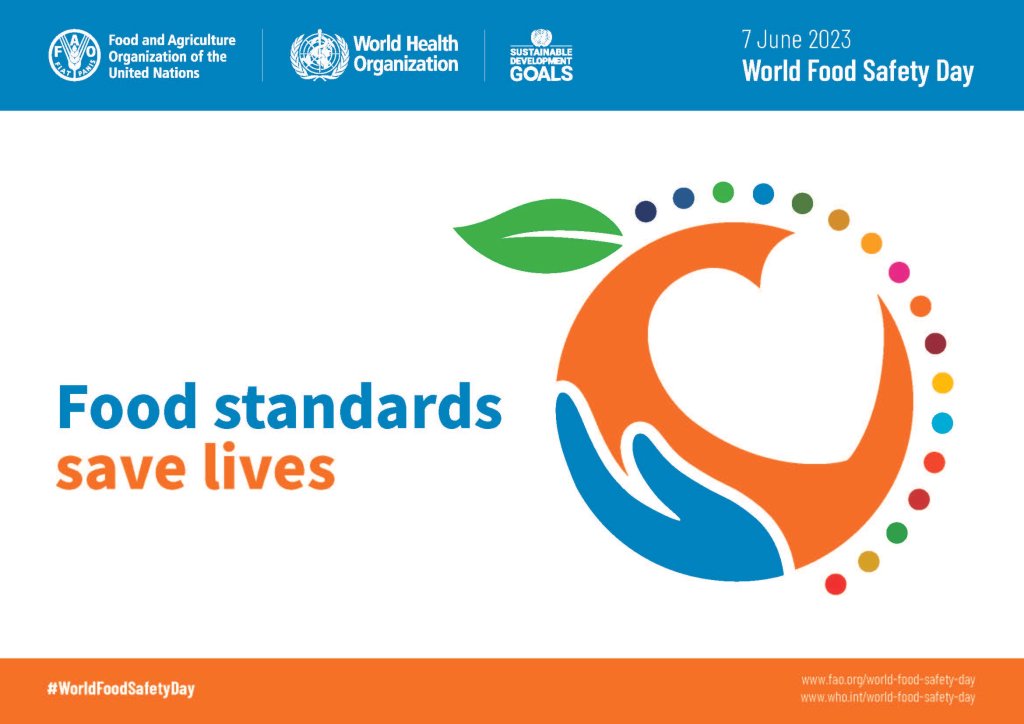
    World Food Safety Day 2023

    #World Food Safety Day 2023 #Safe Food #Standards

    Food Standards, Ensuring Safety and Quality

    Food is a fundamental necessity of life, providing us with sustenance, nutrition, and enjoyment. However, the safety and quality of the food we consume cannot be taken for granted. This is where food standards come into play. Food standards are a set of regulations, guidelines, and specifications established by national and international bodies to ensure the safety, quality, and integrity of the food we eat. Food standards play a crucial role in safeguarding public health. Food standards are an important part of the food production process and us as consumers should pay attention to the common methods used to protect the food we eat. Maybe you have heard about GMP (Good Manufacturing Practices) or HACCP (Hazard Analysis and Critical Control Points) or ISO 22000 (International Organization for Standardization Food Safety Management Standard) or maybe you haven’t but hopefully this article will help you to be able to identify some common food standards and give emphasis to their life-saving impact. By understanding the importance of food standards, we can appreciate their role in protecting consumers and promoting a healthier society.

    The Importance of Food Standards

    1. Ensuring Food Safety: Foodborne illnesses pose a significant threat to public health worldwide. Food standards establish protocols for food safety practices, including proper hygiene, temperature control, and prevention of cross-contamination. By adhering to these standards, risks associated with pathogens, chemical contaminants, and allergens can be minimized, thus saving lives and reducing the burden on healthcare systems.

    2. Protecting Consumers’ Rights: Food standards empower consumers by providing them with accurate and reliable information about the food they purchase. Standards for labeling, nutrition information, and allergen declarations allow consumers to make informed choices based on their dietary needs, preferences, and potential allergenic sensitivities.

    3. Facilitating Fair Trade: Harmonized food standards facilitate international trade by ensuring that imported and exported food meets consistent safety and quality requirements. These standards promote fair competition among producers, prevent the circulation of substandard or unsafe food products, and protect the interests of consumers globally.

    4. Promoting Innovation and Sustainability: Food standards encourage innovation in food production, processing, and packaging technologies, driving the development of safer and more sustainable practices. By setting benchmarks for sustainability, such as reducing food waste and minimizing environmental impact, standards contribute to a more resilient and ecologically responsible food system.

    Common Food Standards and Their Impact

    1. Hazard Analysis and Critical Control Points (HACCP): HACCP is a systematic approach to identify, evaluate, and control hazards throughout the food production process. It focuses on critical control points to prevent, eliminate, or reduce hazards to acceptable levels. HACCP has revolutionized food safety management, leading to significant reductions in foodborne illnesses and ensuring the production of safe food.

    2. Codex Alimentarius: The Codex Alimentarius Commission is an international body that develops food standards, guidelines, and codes of practice. Its standards cover various areas, including food additives, contaminants, pesticide residues, and labeling. Codex standards provide a globally recognized benchmark for food safety and quality, facilitating international trade and harmonization of regulations.

    3. Good Manufacturing Practices (GMP): GMP outlines the principles and guidelines for the production and handling of food to ensure its safety and quality. It covers areas such as premises, equipment, personnel hygiene, training, and quality control. Adhering to GMP helps prevent contamination, maintain product integrity, and safeguard public health.

    4. International Organization for Standardization (ISO) Standards: The ISO develops a wide range of standards applicable to the food industry. Notable standards include ISO 22000 for food safety management systems, ISO 9001 for quality management systems, and ISO 14001 for environmental management systems. Compliance with ISO standards demonstrates a commitment to ensuring safe, high-quality food production while considering environmental and sustainability aspects.

    5. GlobalGAP: GlobalGAP is a private sector-driven standard for good agricultural practices (GAP). It provides guidelines for safe and sustainable agricultural production, focusing on areas such as crop production, livestock, and aquaculture. GlobalGAP certification assures consumers that the products they purchase are produced in compliance with rigorous standards, promoting consumer confidence and trade facilitation.

    How Food Standards Save lives

    The implementation of robust food standards has a profound impact on public health, significantly contributing to the reduction of foodborne illnesses and related fatalities. Unsafe food is responsible for a significant number of illnesses globally. Food standards ensure that proper food safety protocols are followed, including maintaining hygiene in food establishments, preventing cross-contamination, and ensuring proper cooking and storage practices. By adhering to these standards, the risk of foodborne illnesses, such as salmonellosis, campylobacteriosis, and E. coli infections, can be substantially reduced, leading to improved public health outcomes. Food standards help prevent foodborne illness outbreaks by establishing guidelines for hazard identification, risk assessment, and control measures. These measures include regular inspections, testing for pathogens and contaminants, and proper handling, storage, and transportation practices. By adhering to these standards, potential sources of contamination can be identified and addressed, preventing widespread outbreaks. Traceability is an essential component of food safety management, enabling the identification and recall of unsafe products. Food standards establish traceability requirements, including labeling, batch coding, and record-keeping, to ensure that the movement of food can be tracked throughout the supply chain. In the event of a food safety issue, traceability measures allow for swift action to be taken, preventing further distribution of contaminated products and minimizing the impact on public health.

    As World Food Safety Day 2023 comes to a close let us appreciate the Food standards that are an integral part of ensuring food safety, protecting public health, and maintaining the quality of the food we consume. By adhering to these standards, risks associated with foodborne illnesses, contaminants, allergens, and other hazards can be mitigated, ultimately saving lives. Common food standards such as HACCP, Codex Alimentarius, GMP, ISO, and GlobalGAP provide guidelines and requirements that promote safe and sustainable food production, processing, and distribution. The implementation of these standards fosters consumer confidence, facilitates trade, and supports the development of a resilient and responsible food system.

    References:

    World Health Organization (WHO):https://www.who.int/news-room/fact-sheets/detail/food-safety

    Codex Alimentarius Commission: https://www.fao.org/fao-who-codexalimentarius/codex-texts/list-standards/en/

    Food and Agriculture organization of the United Nations (FAO): https://www.fao.org/good-hygiene-practices-haccp-toolbox/en

    Fresh, Safe, and Local!

    The Importance of Supporting Our Caribbean Farmers and Local Markets

    After visiting the market, to purchase some fruits and vegetables I felt the need to show some appreciation to and highlight the importance of our local farmers. Here in Trinidad and Tobago “the market” as we call it is a place where many locals frequent especially on weekends, where you can find the best bargains and the best value for money. You get to visually and physically compare the fresh food products on sale and interact with the sellers of those products. Central market Port Of Spain and Queen’s Park Savannah farmer’s market are the two that I frequent the most. In Trinidad specifically the Farmers’ Market initiative was conceptualized in 2006. The purpose being to provide direct contact with the farmers and consumers and establish an efficient distribution chain for fresh agri-produce. Market places are staples through-out the Caribbean in Jamaica the Charles Gordon Market in Montego Bay, Negril in St.Lucia Castries Market, Kingstown Market in St. Vincent and Cheapside Market in Bridgetown Barbados just to name a few.

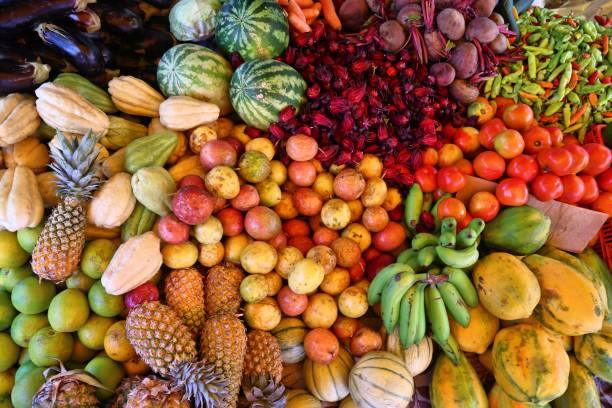
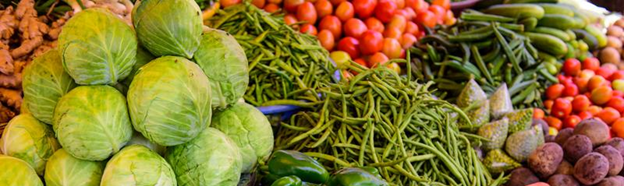
    When it comes to food safety and security, one of the best things you can do is to purchase produce from local farmers. Not only does this support the local economy, but it also ensures that you are getting fresh, high-quality food that is less likely to be contaminated during transportation. In the Caribbean, where many islands rely heavily on imports for their food supply, purchasing from local farmers is even more important.

    Here are some of the benefits of purchasing produce from local farmers in the Caribbean:

    1. Fresher Produce

    When you purchase produce from a local farmer, you are getting food that has likely been picked within the last day or two. This means that it is much fresher than produce that has been transported over long distances, which can take days or even weeks. Fresher produce not only tastes better, but it also has higher nutrient levels and is less likely to spoil or become contaminated.

    1. Support for the Local Economy

    Purchasing produce from local farmers supports the local economy by keeping money in the community. This can help to create jobs, increase economic activity, and strengthen the overall community. It also ensures that the money you spend on food stays in the local area rather than being sent elsewhere.

    1. Reduced Environmental Impact

    Transporting food over long distances requires a lot of energy, which contributes to greenhouse gas emissions and climate change. By purchasing produce from local farmers, you are reducing the distance that your food needs to travel, which in turn reduces its environmental impact.

    1. Greater Food Security

    When a community relies heavily on imported food, it becomes vulnerable to disruptions in the global food supply chain. Purchasing produce from local farmers helps to create a more resilient food system, where the community has greater control over its own food supply. This can help to ensure that people have access to fresh, healthy food even in times of crisis.

    1. Improved Food Safety

    When you purchase produce from a local farmer, you have a greater degree of transparency about where your food comes from and how it was grown. This can help to reduce the risk of contamination and foodborne illness. Local farmers are also more likely to use sustainable and environmentally friendly farming practices, which can further improve food safety.

    In conclusion, purchasing produce from local farmers in the Caribbean is not only beneficial for the local economy, but it also has a positive impact on food safety and security. By supporting local farmers, you can help to create a more resilient and sustainable food system that benefits everyone. So the next time you’re shopping for produce, consider buying from your local farmer’s market or directly from a local farm.

    Sources:

    World Food Day 2022 – Leave No One Behind

    Yesterday October 16, 2022 was World Food Day!! The theme for this year was “Leave No One Behind“. What does this mean and why is it so important?!

    Many current issues (pandemic, climate change, international conflicts and soaring prices) have made it difficult for people around the world to access healthy and safe food. This is a reality many are facing in Africa, Ukraine, North America and Caribbean whether underdeveloped or not.
    Even-though globally we produce enough food to feed the world, millions still go without. Why?Why Why? Many of those affected are the underprivileged, vulnerable groups or those who face inequality due to gender, status or ethnic group. While we innovate, develop and grow lets not forget those who need help, those who do not have access to training, finance and advanced technologies.

    What can we do?

    Give Back – If you are in a position to please donate food to people who need it the most. Do your research and find the nearest food bank, charity or organization that assist underprivileged persons near you. Many may accept money, food or even your time. A little goes a long way!

    Support Local Farmers/ Food Producers – Where possible always try to buy local this helps the community and local economy. Additionally you will have a better understanding and appreciation for where food comes from. Lots of time and effort is needed to provide a quality product understanding this may help to reduce food wastage.

    Participate – Celebrate by attending a event highlighting Food. Host an event yourself or just celebrate with some health nutritious local food.

    Educate Yourself– Countries around the world are facing different challenges or difficulties be aware of this and if you can provide help or awareness. Many celebrate World Food Day in different ways you may find it interesting learning about other cultures and activities.

    By helping others we help ourselves! Offer a hand to someone today!

    Find out more here: https://www.fao.org/world-food-day/about/en

    World Food Safety Day 2022

    #Food Safety #World Food Safety Day #Safer Food, better health

    June 7th is recognized as world food safety day by the Food and Agriculture Organization of the United Nations (FAO) and the World Health Organization (WHO). June 7th 2018 was proclaimed the first annual World Food Safety Day by the United Nations General assembly.

    This day highlights the importance of food safety and provides a general understanding of what food safety is. We are all consumers, we all eat, we all want and deserve to consume food that does not make us sick. Unfortunately, for one in ten people in this world that is not a their reality. Annually, more than 95 000 people lose their lives as a result of gastrointestinal and diarrhoeal diseases and more than 200 million become ill due to consumption of unsafe foods. The serious health threats brought on by unsafe foods can endanger the global population especially those in marginalized communities. We must also ensure that those most vulnerable to these threats i.e., the elderly, immuno-compromised, young children and pregnant women are protected. Food should not be the cause of illness or loss of life but to sustain it.

    With so many still losing their lives around the world, World Food Safety Day aims to spread awareness in the fight against foodborne illness. Highlighting actions to aid in the detection, prevention and management of food safety risks. By focusing on health and safe food and promoting food safety education we can improve food safety culture. This means improved food security, human health, economic prosperity, agriculture, accessibility and sustainable development. For countries in the Caribbean who struggle with food insecurity, public health burdens and reduced resources, food safety is fundamental. It is important to recognize that the health of people, animals and the environment is interconnected and that any safety adverse event may have a global impact on public health, trade and economy. Food safety is nonnegotiable.

    Safer food, better health is the theme for this 4th annual World Food Safety Day. Safe nutritional food is paramount in ensuring human health and wellness. Foodborne illnesses, caused by bacteria, viruses or parasites, are infectious and toxic. They can enter the body through contaminated food and water. It is, therefore, important to ensure that food stays safe at every step of the food chain, from production to consumption. We all have a role to play; whether we grow, process, transport, store, sell, buy, prepare or serve food. Food safety is in all our hands.

    Food safety is from farm to the table and is an essential tool to promote consumer health and end world hunger. This international day is an opportunity to engage with families and promote food safety policies and standards, ensuring we are all informed and practice safe food handling at home. This is where food safety culture begins. Through education and information we can strengthen the efforts to reduce the risk of foodborne diseases and ensure safe food. Foodborne diseases are preventable, systemic changes will lead to safer food for all.

    Food handlers and consumers can:

    • Know the food they use (read labels on food packages, make informed choices, become familiar with common food hazards)
    • Handle and prepare food safely, practicing the WHO Five Keys to Safer Food at home, or when selling at restaurants or at local markets
    • Grow fruits and vegetables using the WHO Five Keys to Growing Safer Fruits and Vegetables to decrease microbial contamination
    • Make safe and healthy dietary choices, this supports sustainable food systems and helps reduce the global burden of disease

    Happy World Food Safety Day!!! Share with a friend and help to improve food safety today.

    Find out more about food safety below:

    https://www.paho.org/en/campaigns/world-food-safety-day-2022

    https://www.who.int/campaigns/world-food-safety-day/2022/overview

    https://apps.who.int/iris/rest/bitstreams/1412950/retrieve

    References

    https://apps.who.int/iris/rest/bitstreams/1412950/retrieve

    https://foroalc2030.cepal.org/2019/en/news/caribbean-countries-face-complex-challenges-advancing-fulfillment-2030-agenda

    https://www.who.int/campaigns/world-food-safety-day/2022#

    https://caricom.org/pm-gonsalves-praises-caricom-achievements-says-challenges-must-strengthen-movement/

    The Other Crisis: Climate Change

    It’s 2022 and we are now returning to some normalcy, some countries have fully reopened and many are on the road to recovery after facing two tumultuous years. The challenges experienced during the height of the COVID-19 pandemic negatively affected many global economies. Who would have imagined that a virus; microscopic and invisible to the naked eye would bring the world to a halt, taking the lives of so many and crippling many industries.

    The truth is, this is not as far fetched as one might think. You may be wondering how we got here but for years, many (scientists, professors, politicians and people), saw this coming. No, the pandemic is not a 5G conspiracy, or a plandemic… actually the underlying crisis here is……Climate Change. Scientists worldwide have described climate change as the challenge of our lifetime. Many continue to deny the facts but what can not be denied is that Climate Change is a global issue. Not only are there trends of stronger storm systems, heavy precipitation, extended dry spells and increasing global temperatures, but also rising sea levels (FAO 2006- 2019). It is not alarmism to say that the worldwide changes observed may be irreversible and that the vast majority of the population will be impacted or affected either directly or indirectly. Globally, the consequences of climate change will result in many displacements and many may loose their lives if no changes are made.

    Where is the evidence? There are many instances in which the effects of climate change can be found. Here in the Caribbean for example, there were four category 5 hurricanes between the 2017- 2019 period. The trend of stronger storm systems is a constant threat many Caribbean islands have to face annually. In recent years, islands such as Barbuda and the Bahamian islands of Grand Bahama and Abaco were some severely impacted. Many were forced to evacuate and relocate after these catastrophic events. Small Island Developing States (SIDS) i.e. many of the islands and countries of the Caribbean, are particularly at risk to the effects of climate change. Characteristics such as; relative isolation and small land masses. Additionally, dense coastal populations and infrastructure concentrated in these areas make them extremely vulnerable to sea level rise and extreme events. By 2055, many coastal communities could be severely impacted if no changes are made. Just 1 metre of sea level rise could result in the loss of over 1200km2 of land mass and the displacement of over 100,000 people.

    What can Caribbean countries do to minimize the impact of climate change? Unfortunately very little, many Caribbean countries have a limited economic base and depend on natural resources, combined with limited financial and technical capacity. Timely adaptation/ adjustment is unlikely. These are the harsh realities that SIDS have to face, that larger countries who are major contributors to climate change continue to ignore. Again I must reiterate, climate change is real and it may just be the true crisis of our time!!

    How pandemics happen? When it comes to climate change not only do we have to worry about the visible and physical threats but also invisible threats. It may be difficult to see the linkages between climate change and disease or even understand how viral and bacterial agents are impacted but there is an association. The incidence, distribution and control of disease is influenced by a triad of factors: host (humans, animals, insects), environment and pathogen (disease causing organism). Climate change will influence these factors either directly or indirectly.

    Direct effects of Climate change on the triad of factors

    • Host – Denser populations/ overcrowding due to decreased land mass and coastal erosion.
    • Environment – Irregular temperature fluctuations in addition to periods of heavy rainfall and periods of drought.
    • Pathogen– Increased reproduction rate and intensity due to favourable conditions.

    What does it all mean? Essentially, densely populated/ overcrowded areas are potential breeding grounds for disease causing organisms, inadvertently making it easier for them to evolve. Generally, pathogens are unpredictable and opportunistic in nature. The rapid cycling between humans and other hosts, such as birds, bats, rats, mice, etc. can result in the emergence of new strains or more robust strains responsible for the prevalence and spread of serious disease. With increasing population density and continuous changes in climate, more and more diseases will be prevalent. When you have clusters of a disease in a community this is classified as an outbreak. An outbreak of a disease once spread to a large enough population and other communities becomes and epidemic. An epidemic is usually localized in one country. Once and epidemic spreads to multiple countries it is classified as a pandemic. In many cases an outbreak does not progress to a pandemic or even an epidemic because systems are in place to prevent this. Institutions such as the WHO and CDC are involved in identifying, documenting, investigating and informing the public of outbreaks and ways to stay safe. One tool commonly used to provide insight into an outbreak is epidemiology.

    What is Epidemiology and why is it important? Think of epidemiologists as disease detectives and Epidemiology is the scientific method of investigative problem-solving. Epidemiology is used to get to the root cause of health problems and outbreaks in a community. More specifically this information can be very essential to the epidemiologists, laboratory scientists, statisticians, physicians and other health care providers, and public health professionals in the community. The information provided plays a crucial role in reducing the occurrence of disease. It can tell us, the characteristics of a particular pathogen, the rate of spread, exposure time, location and, the at risk population. Epidemiological data is paramount to targeting and implementing evidence-based control measures to protect the public’s health and safety. With the aid of epidemiological data control measures can be targeted and specific to minimize outbreaks or even more serious events.

    Epidemiology and food safety When it comes to epidemiology and food safety they go hand-in-hand. Epidemiology plays a key role in pinpointing outbreaks i.e. unsafe food sources and this reduces widespread food-borne illness. The majority of foodborne illnesses originate from either bacterial or viral sources.

    • Viral food borne diseases are important to understand as they frequently cause illness. Norovirus, hepatitis A and Rotavirus are the main contributors to foodborne illness. According to the CDC, Norovirus is the leading cause of foodborne illness world wide. Viral transmission occurs via a living host and in most cases an infected food handler/human host has transmitted the virus to the food through improper handling practices or poor sanitation. While viruses are unable to grow or multiply in food, and the number of viral agents that present serious health affects to humans is low. Viral agents do have characteristics that aid in their ability to adapt, specifically, large population sizes and short generation times. These adaptions could come about due to environmental changes or the immune response of the host. With the current progression of the climate crisis this can mean more resistant and infectious viral foodborne agents.
    • Bacterial agents are the other major cause of foodborne illness. Bacterial agents differ significantly from viral agents as these are living organisms. Foodborne bacterial agents are ubiquitous, variant and numerous (> 25 types of pathogenic bacteria; Escherichia Coli variants, Salmonella variants Vibrio Cholerae, Listeria Monocytogenes). These can be found in a variety of environments (water, plants, animals, food, sewerage, soil etc.) including those most extreme (E. Coli & Shigella can be found in the stomach of humans and animals). Environmental changes such as temperature fluctuations, flooding and sea level rise can result in unpredictability and the dispersal efficiency of bacterial agents. Additionally, warm humid conditions are ideal for many types of bacteria, Vibrio Cholerae O1 and O139 is one agent that is commonly found in flooded areas and it is responsible for thousands of deaths worldwide (United States Food and Drug Administration 2012). Microbial evolution in response to stress and changes in water availability are very common and in the event of climate change, there is a high likelihood of bacterial agents adapting to improve survival or efficiency. These factors can influence the virulence and mortality rates of bacterial agents resulting in detriment to human life. Some agents have adapted to produce toxins (E. Coli O157:H7) while others have adopted flagella to become motile (Salmonella spp.).

    Climate change is happening now. There are new and more prevalent risks to food animal and plant safety. When looking at the surface it may be hard to see the true effects but the evidence of its impact on the burden of foodborne illness is clear. Specifically, the increasing population, continuous scarcity of clean water, flooding and unpredictable weather conditions and changes in eating habits all can contribute to the increase and spread of foodborne disease. This is a very real threat to the lives of many around the world, especially SIDS. This problem can no longer be disregarded and compounded. Viral evolution and bacterial/ microbial evolution are very real threats. There are hundreds of bacterial agents some of which are already resistant to antibiotics (Salmonella variants), those which have morphed into more dangerous agents (E. Coli and Vibrio Cholerae) in addition to those which have been newly identified. The more information epidemiology data provides, the greater the understanding there is of viral and bacterial foodborne diseases. This reduces the risk factors and provides better chances for human health and life. It is also clear that (Now more than ever), epidemiological data will play a pivotal role in public health protection. Providing the information necessary to reduce the impact of many diseases that may arise as a consequence. If COVID-19 is any indication of the possible threats to come it is evident that we need to be more prepared.

    Are we doing enough to change the future today?


    References

    Center for Disease Control and Prevention. 2012. “CDC.” Principles of Epidemiology in Public Health Practice. https://www.cdc.gov/ophss/csels/dsepd/ss1978/ss1978.pdf.

    Feigin, R. D. , Garg, . Renu and Christie, . Andrew Barnett. “Infectious disease.” Encyclopedia Britannica. https://www.britannica.com/science/infectious-disease.

    Food and Agriculture Organization . 2006- 2019. “FAO.” Climate Change Implications for Food Safety. http://www.fao.org/3/i0195e/i0195e00.pdf.

    Foster, Samuel, Nitin Kumar, Blessing Anonye, Alexandre Almieda, Elisa Viciani, Mark Stares, Matthew Dunn, et al. 2019. “A human gut bacterial genome and culture collection for improved metagenomic analyses.” Nature of Biotechnology – https://www.nature.com/articles/s41587-018-0009-7 186-192.

    Kendrovski, Vladimir, and Dragan Gjorgjev. 2012. “Climate Change: Implication for Foodborne Diseases (Salmonella and Food Poisoning Among Humans in R. Macedonia).” In Structure and Function of Food Engineering. Edited, by Ayman Amer Eissa. DOI: 10.5772/46183: https://www.intechopen.com/books/structure-and-function-of-food-engineering/climate-change-implication-for-food-borne-diseases-salmonella-and-food-poisoning-among-humans-in-r-m.

    Science Daily. 2018. A new toxin discovered in Cholera bacteria. https://www.sciencedaily.com/releases/2018/06/180625192801.htm.

    Simpson, M.C. Scott, D. Harrison, M. Sim, R. Silver, N. O’Keeffe, E. Harrison, S. Taylor, M. Lizcano, G. Rutty, M. Stager, H. Oldham, J. Wilson, M. New, M. Clarke, J. Day, O.J. Fields, N. Georges, J. Waithe, R. McSharry, P.1 (2010) Quantification and Magnitude of Losses and Damages Resulting from the Impacts of Climate Change: Modelling the Transformational Impacts and Costs of Sea Level Rise in the Caribbean (Key Points and Summary for Policy Makers Document), United Nations Development Programme (UNDP), Barbados, West Indies. https://www.uncclearn.org/wp-content/uploads/library/undp88.pdf

    Tirado, M.C, R. Clarke, L. A Jaykus, A. McQuatters-Gollop, and J.M Frank. 2010. “Climate Change and Food Safety: A Review.” Food Research International: https://ucanr.edu/datastorefiles/608-149.pdf 1745-1765.

    United States Food and Drug Administration. 2012. “U.S FDA- Bad Bug Book Second Edition.” Foodborne Pathogenic Microorganisms and Natural Toxins Handbook. https://www.fda.gov/downloads/Food/FoodborneIllness Contaminants/UCM297627.pdf.

    National Oceanic and Atmospheric Administration. 2020. “Climate Change Impacts” https://www.noaa.gov/education/resource-collections/climate/climate-change-impacts

    Oh No No-rovirus

    Before the cruise industry and the world were plagued with Coronavirus, there were other warning signs that should have led to more preventative precautions and safety protocols for those on board. Cruises have become a popular form of vacation and relaxation for many persons and families. However, they have the potential of harbouring serious illnesses. While this may be new information for some who have never had this occur, many others may recall experiencing discomfort where either you or someone you knew fell ill from any symptoms of stomach ache, diarrhea or vomiting while on a cruise vacation. Here is what you should know and how you can reduce the likelihood of falling ill.

    In recent years there has been an upsurge in the number of norovirus cases on cruise ships. Norovirus is one of the most common causes of acute gastroenteritis in the world, it can be equated to approximately one out of every five cases of acute gastroenteritis. To put that number into perspective norovirus was the causative agent in over 685 million cases. According to the Center for Disease and Control (CDC), norovirus is one of the big 6 of food borne pathogens. The virus affects all age groups and is easily spread from a contaminated person to another. Symptoms include nausea, vomiting abdominal pain, cramps and diarrhea. The transferal of this virus to the human host is generally through the fecal to oral route i.e. person to person, contaminated food handlers, passengers etc. Essentially the main distributors of this virus are those who come in contact with an infected person.

    A cruise ship, provides an ideal environment for the spread of the norovirus this includes: a large enclosed space, a large number of people (passengers and employees) from all over the world and cross-contamination through self service food stations. Furthermore, many cruise ships have inadequate facilities to support proper hygiene practices relative to onboard capacity. As a result, food service areas can easily become contaminated by an infected person and become the origin of an outbreak. Norovirus is a public health and an economic concern. The prevalence of norovirus has highlighted the need for revaluation of the standard procedures and practices regarding food safety in these environments.

    Th cruise industry needs to foster positive influences of food safety culture onboard. Here are some possible solutions:

    • Hand washing and sanitizer stations around serving areas as well as increasing the cleaning and sanitation of surfaces to improve hygiene practices among staff and passengers and reduce contamination.
    • In addition to regular announcements and signage re-enforcing best practices.

    Cruise Industry and the Caribbean – Do the Benefits outweigh the risks?

    Many cruises are marketed towards Caribbean destinations and the Caribbean experience. The negative impact that food-borne diseases like norovirus could have on our socioeconomic development cannot be ignored. It is crucial that cruise ships and the cruise industry be closely monitored and regulated through-out the Caribbean. The strain an outbreak could place on our healthcare systems, as well as the harm to tourism and trade industries, would be too much for a small country to tolerate.

    National enforcement of regulations by the World Health Organization (WHO) have proved to be essential and effective public health protection methods. More specifically cruise ships once entering a port must provide a Maritime Declaration of Health (MDH), this is a requirement of International Health Regulations (IHR).

    Over the past three years there have been incidents recorded at ports of entry in Jamaica, Barbados and St. Lucia, fortunately, serious public health risks were avoided as passengers were quarantined and not allowed to disembark these vessels. Caribbean countries must be mindful and careful that passengers infected or affected by the virus do not infect the local populous resulting in a widespread disease outbreak. Small island states may not have the resources to contain and control and outbreak of that potential.

    Some checks and balances are necessary to prevent the occurrence of an outbreak. Ports of entry have to be monitored there has to be some communication between vessels entering the country, carrying passengers who have been contaminated. Prechecks will have to be adopted whereby local and regional health agencies examine the ships and passengers for illnesses and make a resolute decision based on ensuring the health and safety of the population. Reducing or limiting the cruise ship aspect of tourism could lead to economic difficulty as these garner a large amount of foreign exchange.

    Preventative measures present & are they effective

    The IHR requires the use of the Maritime Declaration of Health (MDH) for reporting and information sharing. The MDH should be submitted each and every time a vessel arrives in a port of call, not only when there is an illness/death on board; however, it is up to each country as to whether to enforce this, since submission of an MDH is only required under the IHR when an illness/death has occurred on board the vessel.

    CARPHA is the regional public health agency for the Caribbean and the lead authority for regional surveillance and response. It has three main roles with respect to surveillance of and response to public health issues occurring among visitors to the Caribbean arriving on passenger ships in the Caribbean: Surveillance Collect, analyse, and disseminate information on illnesses/outbreaks on ships coming to the Caribbean; Inform and evaluate various national and regional programs; Notify member countries and relevant agencies of illnesses/outbreaks on ships coming to the Caribbean; Train public health authorities and other competent authorities in the surveillance/detection, investigation, and reporting of travel-related illnesses and outbreaks. CARPHA has developed this protocol and guidelines to facilitate disease surveillance on cruise ships visiting the region.

    The present methods have proven to be effective, however additional risk management principles would be necessary to circumvent the possibility of a norovirus outbreak. Robust monitoring and regular health status updates are important, protection of our ports of entry and will be the first line of defense against an outbreak. Governments must work with the cruise industry to ensure proper food safety techniques are utilized. Attention must be paid to the food handling workers and food service stations. Additionally, the surveillance methods introduced by CARPHA to benefit CARICOM member states should be employed. In this regard CARPHA has developed the Caribbean Vessel Surveillance System (CVSS) for rapid information flow and coordinated multi-sectoral response for public heath events occurring among visitors from passenger ships. This also involved in the establishment of protocols to facilitate the standardized submission of the Maritime Declaration of Health from ships to competent national authorities.

    At the moment the world is in crisis, the cruise industry and many global economies are experiencing many challenges, my only hope is that we adapt and accept the changes necessary for the future.

    References

    Caribbean Public Health Agency. 2019. PASSENGER SHIP SURVEILLANCE. Accessed 04 19, 2019. http://carpha.org/What-We-Do/Tourism-and-Health-Programme/Surveillance-and-Response-System.

    Center for Disease Control and Prevention . 2019. Outbreak Updates for International Cruise Ships. 04. Accessed 04 20, 2019. https://www.cdc.gov/nceh/vsp/surv/gilist.htm.

    Center for Disease Control and Prvention. 2018. Common Setting for Norovirus Outbreak. Accessed 04 17, 2019. https://www.cdc.gov/norovirus/trends-outbreaks/outbreaks.html.

    —. 2013. General Information about Norovirus. Accessed 04 19, 2019. https://www.cdc.gov/HAI/organisms/norovirus.html.

    Cruise Lines International Association. 2019. Nororvirus on Cruise Ships. Accessed 04 18, 2019. https://cruising.org/about-the-industry/policy-priorities/public-health-and-medical/nororvirus-on-cruise-ships.

    2019. Norovirus outbreak on Royal Caribbean cruise ship sickens 475 passengers. 01. Accessed 04 19, 2019. https://abcnews.go.com/US/270-cruise-ship-passengers-sickened-norovirus-royal-caribbean/story?id=60291868.

    Orlando Sentinel. n.d. Oasis of the Seas’ norovirus outbreak among worst in a decade. But are cruises getting cleaner? Accessed 04 19, 2019. https://www.orlandosentinel.com/travel/florida-cruise-guide/os-bz-cruise-norovirus-outbreaks-20190116-story.html.

    Accepting Change

    Hello!!! Welcome to my blog. This forum is where I will share my ideas with you and hopefully interest you in the importance of food safety and quality. I aim to get to the root cause of many topics and provide an avenue to educate and interact with all of those interested.

    I am currently furthering my studies and I have spent many sleepless nights working on research papers. There were various topics covering aspects of the food industry and the food chain from farm to fork. I think the average consumer or as many people as possible should be aware of and have access to this information.

    Therefore, this page is where I intend to connect and share the information I’ve collected. I believe that we all need to “be the change we want to see”. I felt compelled or challenged to put this content out because I personally would like to see improvements and changes, specifically in the Caribbean region. More persons need to understand the importance of improving food safety culture and cultivating positive preventative behaviors. Persons need to be informed or change will never happen and I intend to try, one person at a time.

    Design a site like this with WordPress.com
    Get started