Listeria Monocytogenes

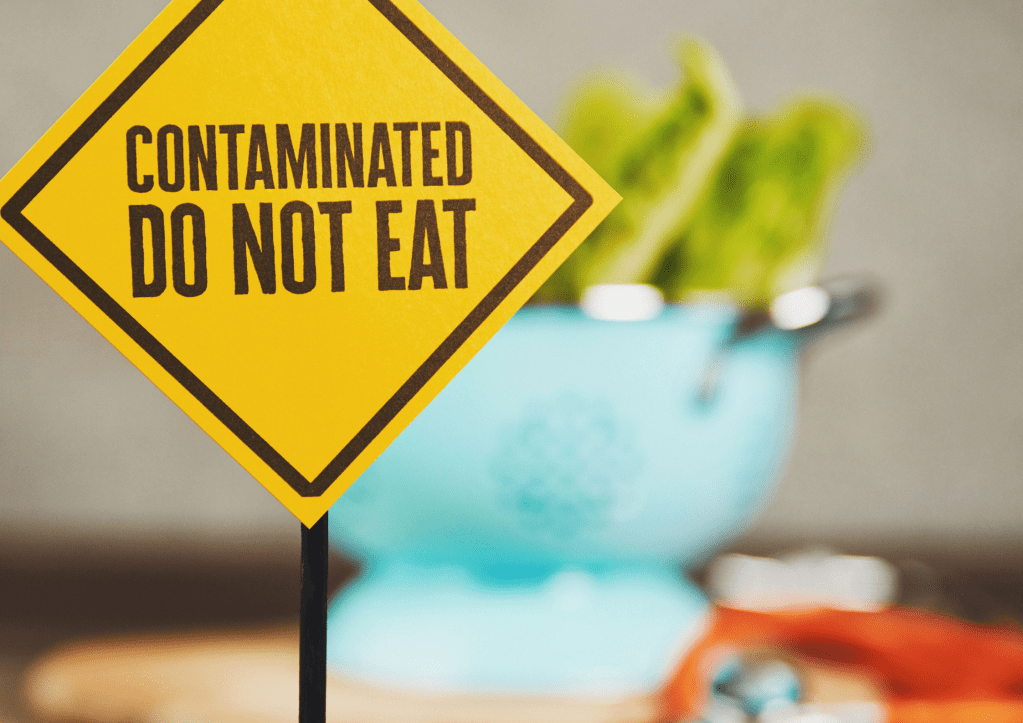
Listeria monocytogenes continues to be a serious public health threat, particularly in the food industry, where it has been responsible for numerous deaths and hospitalizations. The World Health Organization (WHO) estimates that globally, foodborne Listeriosis affects around 23,000 people annually. Out of these cases, there are approximately 5,500 deaths each year, giving Listeriosis one of the highest mortality rates among foodborne pathogens at around 20–30%.

There have been multiple large-scale recalls due to Listeria contamination. In one of the most recent cases, Boar’s Head issued a recall of more than 5 million pounds of product. This resulted in 10 deaths and over 50 hospitalizations across the USA. Even more alarming, over 9 million pounds of ready-to-eat meat were recalled this week alone, also linked to Listeria contamination, reflecting the gravity and frequency of the problem.

In recent years, the number of recalls related to Listeria has surged, with many incidents affecting various sectors of the food industry, from fresh produce and dairy to processed and ready-to-eat meats. This has sparked ongoing concerns about whether businesses are effectively controlling Listeria contamination, or whether this pathogen is becoming more resistant to traditional cleaning and control methods.

Listeria’s ability to thrive in harsh conditions—such as cold storage and high-salt environments—and form biofilms on surfaces makes it particularly hard to eliminate. These characteristics contribute to its persistence in food processing facilities and increase the likelihood of contamination. As a result, the food industry must continuously evaluate whether their cleaning practices are sufficient or if Listeria is evolving in ways that render current control methods less effective.

This leads to critical questions about the efficacy of cleaning and sanitation practices and whether certain strains of Listeria may be developing antimicrobial resistance, posing new challenges for food safety management.

What Needs to Be Done to Prevent Future Outbreaks?

We need Stronger Preventive Controls. Food companies, especially those handling high-risk products like deli meats, need to strengthen their Cleaning, Sanitation and Hygiene procedures. Focusing on Deep Cleaning in High-Risk Areas including drains, cold storage units, and food contact surfaces. Listeria often thrives in moist environments like floors and drains, which are frequently overlooked. Ensure all surfaces, equipment, and utensils are cleaned and sanitized frequently, especially those that come into contact with food. Pay special attention to hard-to-reach areas, such as cracks and crevices, where Listeria can hide and form biofilms. Effective Sanitizers are important especially those disinfectants that are proven to be effective against Listeria, such as chlorine-based sanitizers, quaternary ammonium compounds, or peracetic acid. Ensure that concentrations and contact times follow manufacturer guidelines for maximum effectiveness. Enforce strict employee hygiene practices, such as mandatory handwashing, regular changes of protective clothing, and using footbaths or sanitizing mats to prevent contamination from entering the plant.

Enhanced Environmental Monitoring Programs (EMP’s) where Routine Swabbing and Testing are conducted in high-risk areas like food contact surfaces, drains, and equipment. Testing should target Listeria specifically. Additionally, large scale food businesses should be utilizing Advanced detection technologies like Rapid DNA-based testing, which can provide results in 2-24 hours, allowing for faster decision-making.

We need businesses to be Transparent and Issue Timely Recalls. When contamination is detected, companies must act swiftly and transparently. The recall process should be immediate and widespread to ensure consumers are promptly informed and the products are removed from shelves.

We need enhanced Food Safety Culture, food producers need to foster a culture of food safety and responsibility. This includes training employees at all levels on the importance of sanitation, proper equipment handling, and recognizing potential contamination risks.

We need efficient and effective Regulatory Oversight, Government agencies can do better and must ensure regular and unannounced inspections to verify that companies are adhering to HACCP plans, Food Safety Modernization Act (FSMA) regulations, and other safety protocols. Authorities should also make the findings from inspections public to encourage accountability and transparency in the food production industry.

We need Regular Third-Party Audits, outside of government oversight food businesses should have regular third-party audits to provide independent and objective evaluations. Unbiased, Objective Evaluations provide Transparency. An independent audit can identify weaknesses or areas that require improvement without bias, helping the business remain transparent in its food safety operations. This is crucial for maintaining trust with customers, regulators, and stakeholders. Third-party auditors are external, independent organizations with no vested interest in the business, ensuring that their assessments are objective and impartial. They are solely focused on assessing the effectiveness of the food safety controls, particularly when it comes to managing Listeria risks.
    The tragic loss of life and the severe illnesses caused by this outbreak are unacceptable, and more must be done to protect consumers. No one should have to fear that the food they purchase will lead to a life-threatening illness. Effective control measures, rigorous testing, and prompt action when contamination is detected are critical in ensuring that foodborne pathogens like Listeria do not reach consumers.

    World Food Safety Day 2023

    #World Food Safety Day 2023 #Safe Food #Standards

    Food Standards, Ensuring Safety and Quality

    Food is a fundamental necessity of life, providing us with sustenance, nutrition, and enjoyment. However, the safety and quality of the food we consume cannot be taken for granted. This is where food standards come into play. Food standards are a set of regulations, guidelines, and specifications established by national and international bodies to ensure the safety, quality, and integrity of the food we eat. Food standards play a crucial role in safeguarding public health. Food standards are an important part of the food production process and us as consumers should pay attention to the common methods used to protect the food we eat. Maybe you have heard about GMP (Good Manufacturing Practices) or HACCP (Hazard Analysis and Critical Control Points) or ISO 22000 (International Organization for Standardization Food Safety Management Standard) or maybe you haven’t but hopefully this article will help you to be able to identify some common food standards and give emphasis to their life-saving impact. By understanding the importance of food standards, we can appreciate their role in protecting consumers and promoting a healthier society.

    The Importance of Food Standards

    1. Ensuring Food Safety: Foodborne illnesses pose a significant threat to public health worldwide. Food standards establish protocols for food safety practices, including proper hygiene, temperature control, and prevention of cross-contamination. By adhering to these standards, risks associated with pathogens, chemical contaminants, and allergens can be minimized, thus saving lives and reducing the burden on healthcare systems.

    2. Protecting Consumers’ Rights: Food standards empower consumers by providing them with accurate and reliable information about the food they purchase. Standards for labeling, nutrition information, and allergen declarations allow consumers to make informed choices based on their dietary needs, preferences, and potential allergenic sensitivities.

    3. Facilitating Fair Trade: Harmonized food standards facilitate international trade by ensuring that imported and exported food meets consistent safety and quality requirements. These standards promote fair competition among producers, prevent the circulation of substandard or unsafe food products, and protect the interests of consumers globally.

    4. Promoting Innovation and Sustainability: Food standards encourage innovation in food production, processing, and packaging technologies, driving the development of safer and more sustainable practices. By setting benchmarks for sustainability, such as reducing food waste and minimizing environmental impact, standards contribute to a more resilient and ecologically responsible food system.

    Common Food Standards and Their Impact

    1. Hazard Analysis and Critical Control Points (HACCP): HACCP is a systematic approach to identify, evaluate, and control hazards throughout the food production process. It focuses on critical control points to prevent, eliminate, or reduce hazards to acceptable levels. HACCP has revolutionized food safety management, leading to significant reductions in foodborne illnesses and ensuring the production of safe food.

    2. Codex Alimentarius: The Codex Alimentarius Commission is an international body that develops food standards, guidelines, and codes of practice. Its standards cover various areas, including food additives, contaminants, pesticide residues, and labeling. Codex standards provide a globally recognized benchmark for food safety and quality, facilitating international trade and harmonization of regulations.

    3. Good Manufacturing Practices (GMP): GMP outlines the principles and guidelines for the production and handling of food to ensure its safety and quality. It covers areas such as premises, equipment, personnel hygiene, training, and quality control. Adhering to GMP helps prevent contamination, maintain product integrity, and safeguard public health.

    4. International Organization for Standardization (ISO) Standards: The ISO develops a wide range of standards applicable to the food industry. Notable standards include ISO 22000 for food safety management systems, ISO 9001 for quality management systems, and ISO 14001 for environmental management systems. Compliance with ISO standards demonstrates a commitment to ensuring safe, high-quality food production while considering environmental and sustainability aspects.

    5. GlobalGAP: GlobalGAP is a private sector-driven standard for good agricultural practices (GAP). It provides guidelines for safe and sustainable agricultural production, focusing on areas such as crop production, livestock, and aquaculture. GlobalGAP certification assures consumers that the products they purchase are produced in compliance with rigorous standards, promoting consumer confidence and trade facilitation.

    How Food Standards Save lives

    The implementation of robust food standards has a profound impact on public health, significantly contributing to the reduction of foodborne illnesses and related fatalities. Unsafe food is responsible for a significant number of illnesses globally. Food standards ensure that proper food safety protocols are followed, including maintaining hygiene in food establishments, preventing cross-contamination, and ensuring proper cooking and storage practices. By adhering to these standards, the risk of foodborne illnesses, such as salmonellosis, campylobacteriosis, and E. coli infections, can be substantially reduced, leading to improved public health outcomes. Food standards help prevent foodborne illness outbreaks by establishing guidelines for hazard identification, risk assessment, and control measures. These measures include regular inspections, testing for pathogens and contaminants, and proper handling, storage, and transportation practices. By adhering to these standards, potential sources of contamination can be identified and addressed, preventing widespread outbreaks. Traceability is an essential component of food safety management, enabling the identification and recall of unsafe products. Food standards establish traceability requirements, including labeling, batch coding, and record-keeping, to ensure that the movement of food can be tracked throughout the supply chain. In the event of a food safety issue, traceability measures allow for swift action to be taken, preventing further distribution of contaminated products and minimizing the impact on public health.

    As World Food Safety Day 2023 comes to a close let us appreciate the Food standards that are an integral part of ensuring food safety, protecting public health, and maintaining the quality of the food we consume. By adhering to these standards, risks associated with foodborne illnesses, contaminants, allergens, and other hazards can be mitigated, ultimately saving lives. Common food standards such as HACCP, Codex Alimentarius, GMP, ISO, and GlobalGAP provide guidelines and requirements that promote safe and sustainable food production, processing, and distribution. The implementation of these standards fosters consumer confidence, facilitates trade, and supports the development of a resilient and responsible food system.

    References:

    World Health Organization (WHO):https://www.who.int/news-room/fact-sheets/detail/food-safety

    Codex Alimentarius Commission: https://www.fao.org/fao-who-codexalimentarius/codex-texts/list-standards/en/

    Food and Agriculture organization of the United Nations (FAO): https://www.fao.org/good-hygiene-practices-haccp-toolbox/en

    World Food Safety Day 2022

    #Food Safety #World Food Safety Day #Safer Food, better health

    June 7th is recognized as world food safety day by the Food and Agriculture Organization of the United Nations (FAO) and the World Health Organization (WHO). June 7th 2018 was proclaimed the first annual World Food Safety Day by the United Nations General assembly.

    This day highlights the importance of food safety and provides a general understanding of what food safety is. We are all consumers, we all eat, we all want and deserve to consume food that does not make us sick. Unfortunately, for one in ten people in this world that is not a their reality. Annually, more than 95 000 people lose their lives as a result of gastrointestinal and diarrhoeal diseases and more than 200 million become ill due to consumption of unsafe foods. The serious health threats brought on by unsafe foods can endanger the global population especially those in marginalized communities. We must also ensure that those most vulnerable to these threats i.e., the elderly, immuno-compromised, young children and pregnant women are protected. Food should not be the cause of illness or loss of life but to sustain it.

    With so many still losing their lives around the world, World Food Safety Day aims to spread awareness in the fight against foodborne illness. Highlighting actions to aid in the detection, prevention and management of food safety risks. By focusing on health and safe food and promoting food safety education we can improve food safety culture. This means improved food security, human health, economic prosperity, agriculture, accessibility and sustainable development. For countries in the Caribbean who struggle with food insecurity, public health burdens and reduced resources, food safety is fundamental. It is important to recognize that the health of people, animals and the environment is interconnected and that any safety adverse event may have a global impact on public health, trade and economy. Food safety is nonnegotiable.

    Safer food, better health is the theme for this 4th annual World Food Safety Day. Safe nutritional food is paramount in ensuring human health and wellness. Foodborne illnesses, caused by bacteria, viruses or parasites, are infectious and toxic. They can enter the body through contaminated food and water. It is, therefore, important to ensure that food stays safe at every step of the food chain, from production to consumption. We all have a role to play; whether we grow, process, transport, store, sell, buy, prepare or serve food. Food safety is in all our hands.

    Food safety is from farm to the table and is an essential tool to promote consumer health and end world hunger. This international day is an opportunity to engage with families and promote food safety policies and standards, ensuring we are all informed and practice safe food handling at home. This is where food safety culture begins. Through education and information we can strengthen the efforts to reduce the risk of foodborne diseases and ensure safe food. Foodborne diseases are preventable, systemic changes will lead to safer food for all.

    Food handlers and consumers can:

    • Know the food they use (read labels on food packages, make informed choices, become familiar with common food hazards)
    • Handle and prepare food safely, practicing the WHO Five Keys to Safer Food at home, or when selling at restaurants or at local markets
    • Grow fruits and vegetables using the WHO Five Keys to Growing Safer Fruits and Vegetables to decrease microbial contamination
    • Make safe and healthy dietary choices, this supports sustainable food systems and helps reduce the global burden of disease

    Happy World Food Safety Day!!! Share with a friend and help to improve food safety today.

    Find out more about food safety below:

    https://www.paho.org/en/campaigns/world-food-safety-day-2022

    https://www.who.int/campaigns/world-food-safety-day/2022/overview

    https://apps.who.int/iris/rest/bitstreams/1412950/retrieve

    References

    https://apps.who.int/iris/rest/bitstreams/1412950/retrieve

    https://foroalc2030.cepal.org/2019/en/news/caribbean-countries-face-complex-challenges-advancing-fulfillment-2030-agenda

    https://www.who.int/campaigns/world-food-safety-day/2022#

    https://caricom.org/pm-gonsalves-praises-caricom-achievements-says-challenges-must-strengthen-movement/

    Design a site like this with WordPress.com
    Get started